
Reinventing Happy Hour: Real Value That Drives Traffic for Your Restaurant
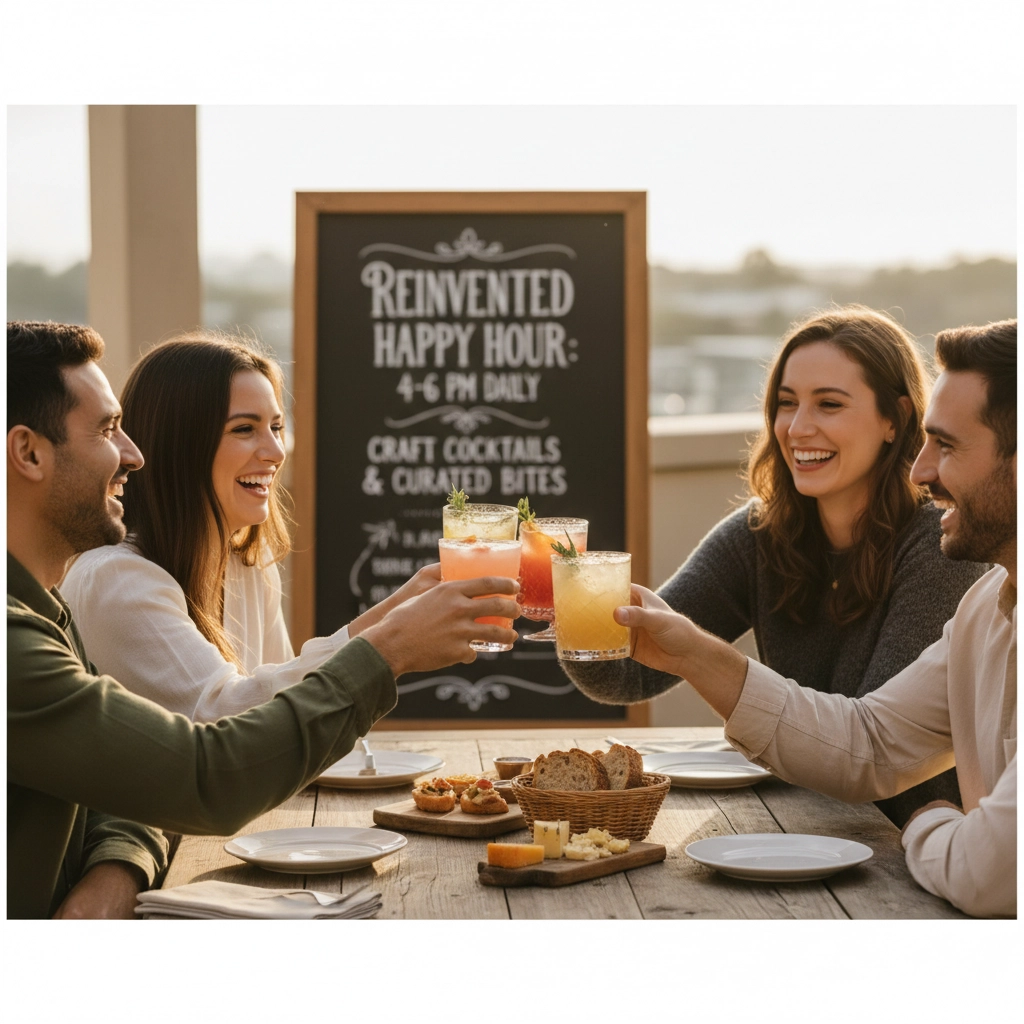
In 2019, I was working at an upscale restaurant in an affluent suburb of Nashville—part of the team during this period. It was a real-world reminder that restaurant consulting requires more than cookie-cutter solutions. The restaurant had made a splash with a Per Guest Average over $40, but like many establishments, they faced the universal challenge of late afternoon and early evening traffic lulls.
Our first effort? Traditional happy hour with discounted drinks and appetizers. I’ve never been a proponent of this approach. If you can charge $7 for something during happy hour, it raises serious questions about whether it’s worth the $14 you’re charging the rest of the time. Steep discounts often signal compromised quality or service.
But we had to try something. We launched a conventional happy hour menu with discounted beer, wine, cocktails, and select appetizers. The results? Failure. Guests ordered regular-priced items 50% of the time and visited primarily for the service experience: not the discounts.
Why Traditional Happy Hour Strategy Fails Most Restaurants
Discounts train guests to value you for price, not experience, and they rarely make up the margin you lose. In practice, most deal-heavy hours shift demand, strain ops, and blur your brand instead of creating new, profitable visits.
- Perception: Deep cuts signal that full price isn’t worth it and lower perceived quality.
- Margins: Volume usually doesn’t offset 30–50% discounts; contribution dollars shrink.
- Operations: You add complexity without true incremental demand.
If you want the research angle, Cornell’s work on restaurant revenue management points to value- and capacity-based strategies over blunt discounting (see Sheryl Kimes’ overview at Cornell Hospitality: https://ecommons.cornell.edu/items/779ca191-03a2-4abe-8e4b-2de7fdd4f7ff). And on the practical side, that Nashville experience is a big reason I don’t push discounting as a consultant—my take comes from being on the floor with the team and focusing on what actually moves the needle.
The Strategic Approach: Creating Exclusive Value
After the initial failure, we completely reimagined the approach. Instead of asking “How steeply can we discount?” we asked “What can we offer that creates genuine excitement and brings people here specifically during these hours?”
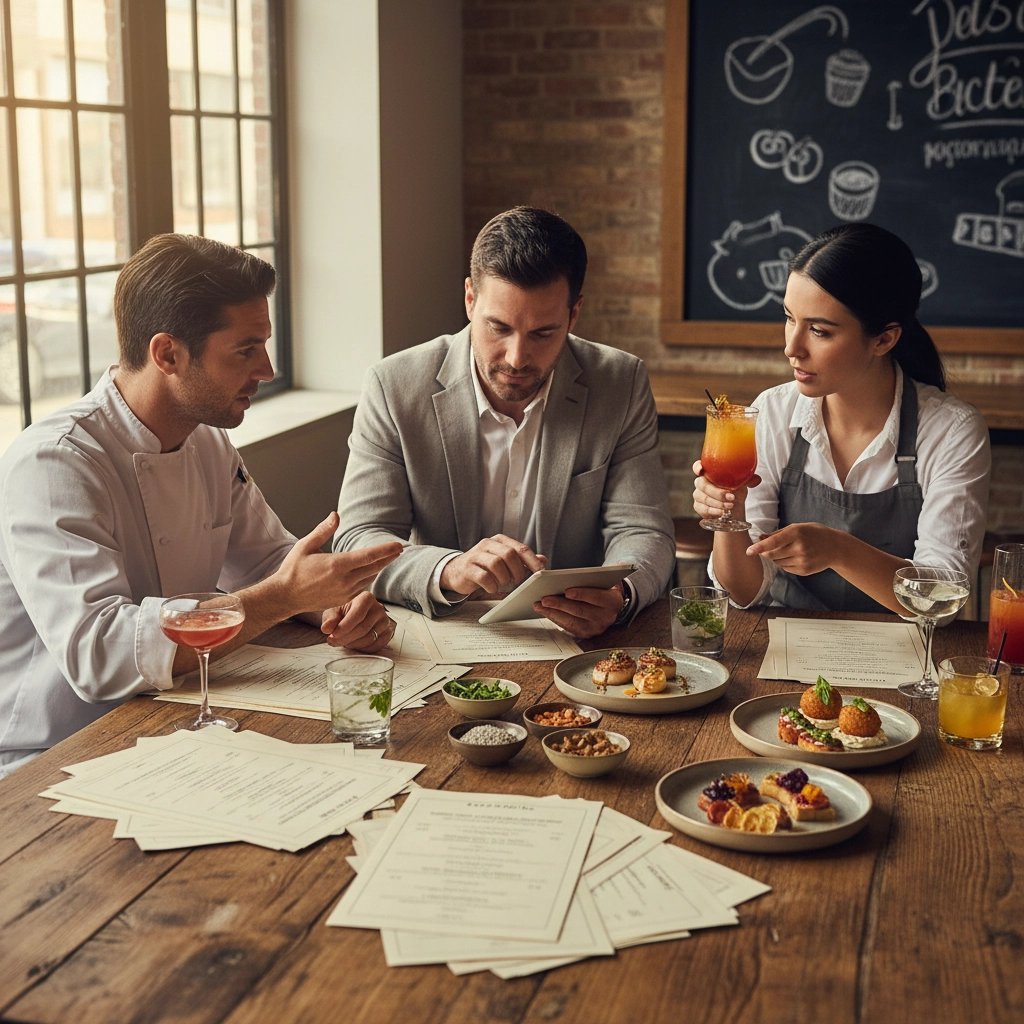
I worked directly with the Chef to develop entirely new dishes unavailable on the dinner menu. These weren’t cheaper versions of existing items: they were unique, carefully crafted offerings designed specifically for the late afternoon crowd. Light, shareable, and perfectly portioned for the transitional period between lunch and dinner.
Simultaneously, I collaborated with the bar manager and beverage vendors to design a complementary drink menu. These weren’t discounted versions of existing cocktails but original creations that paired perfectly with our new food offerings. Everything was priced at a point that encouraged mixing and matching while maintaining healthy margins.
Implementation Strategy That Drives Results
Phase 1: Menu Development
Working with your culinary team, identify 4-6 food items that can be prepared quickly, shared easily, and showcase your kitchen’s capabilities without competing with your dinner offerings. Focus on items with strong margins that highlight your restaurant’s unique style.
Phase 2: Beverage Curation
Partner with your bar team to create 3-4 signature cocktails that complement your food selections. Consider seasonal ingredients, visual appeal, and preparation efficiency during busy periods.
Phase 3: Timing and Positioning
Position these offerings as exclusive to specific hours: typically 3:00-6:00 PM when most restaurants experience natural traffic lulls. The exclusivity creates urgency and gives customers a specific reason to visit during slower periods.
Phase 4: Marketing Focus
Promote the uniqueness and limited availability rather than savings. Emphasize the exclusive experience and the fact that these items aren’t available anywhere else or at any other time.
Measurable Results: Traffic and Revenue Growth
The transformation was remarkable. Within three weeks, guest count during target hours had doubled. Within two months, the restaurant reached 75% capacity before traditional dinner service began.
More importantly, this strategy created a compound effect. New guests discovered the restaurant during happy hour, experienced the quality of food and service, then returned for full dinner experiences. The result was increased traffic and revenue across all dayparts: not just during the targeted hours.
The Per Guest Average during these hours was naturally lower than dinner service, but the volume increase and cross-selling opportunities more than compensated. We had successfully filled the restaurant’s slowest three hours while building a pipeline for prime-time dining.
Long-Term Strategic Benefits
This approach delivers multiple advantages over traditional discount-heavy happy hours:
Brand Strengthening: Unique, high-quality offerings reinforce your restaurant’s value proposition rather than undermining it through deep discounts.
Customer Development: Guests who discover you during happy hour become regular customers across all dayparts, increasing lifetime value significantly.
Operational Efficiency: Purpose-built menu items designed for quick preparation and service improve kitchen efficiency during transition periods.
Competitive Differentiation: Exclusive offerings create a unique selling proposition that competitors cannot easily replicate through simple price matching.
Revenue Optimization: Instead of eroding margins through discounts, you’re generating incremental revenue during previously unproductive hours.
Key Takeaways for Restaurant Owners
The Nashville restaurant’s success demonstrates that effective restaurant consulting focuses on creating value rather than cutting prices. Whether you’re a new restaurant seeking restaurant startup consulting or an established operation looking to optimize performance, the principles remain consistent:
Value Creation Beats Price Reduction: Customers will pay fair prices for unique experiences they cannot find elsewhere. Focus on exclusivity and quality rather than discounts.
Strategic Timing Matters: Identify your restaurant’s natural traffic patterns and design solutions specifically for underperforming periods rather than applying generic approaches.
Operational Alignment: Ensure your happy hour strategy supports rather than strains your existing operations. Menu items should complement your kitchen’s capabilities and service model.
Long-Term Perspective: Build strategies that develop customer relationships and lifetime value rather than short-term traffic spikes that may cannibalize regular business.
The question isn’t “How can we discount our way to success?” but rather “What can we create that makes our guests genuinely happy?” When you answer that question with strategy, creativity, and operational excellence, you’ll discover that the most effective happy hour isn’t about making prices lower( it’s about making experiences better.)
Contact us today, and we’ll help you with a strategy that works for you.
Get More Info
or fill out this form and we’ll be in touch soon!