
10 mistakes restaurant startups make before they even open their doors
Opening a restaurant isn’t just about having great recipes and passion for food. It’s a complex business venture where one wrong move before you even flip your first burger can cost you everything. After years of restaurant consulting, I’ve seen brilliant concepts fail because owners made critical mistakes during the planning phase.
The restaurant industry has a notoriously high failure rate, but many of these failures are completely preventable. You don’t have to become another statistic. Let’s dive into the ten most common mistakes that can derail your restaurant before you serve your first customer.
1. Skipping the Licensing Marathon
You’d be shocked how many aspiring restaurant owners think they can figure out licenses “later.” This isn’t like forgetting to register a domain name: operating without proper licenses can shut you down permanently.

Every state, county, and city has different requirements. Food service licenses, liquor permits, health department clearances, fire department approvals: the list goes on. Start this process immediately, not when you’re ready to open. Some permits take months to process.
2. Playing Fast and Loose with Your Budget
“We’ll figure it out as we go” is restaurant suicide. The biggest killer isn’t bad food: it’s running out of money before you’ve had a chance to build your customer base.
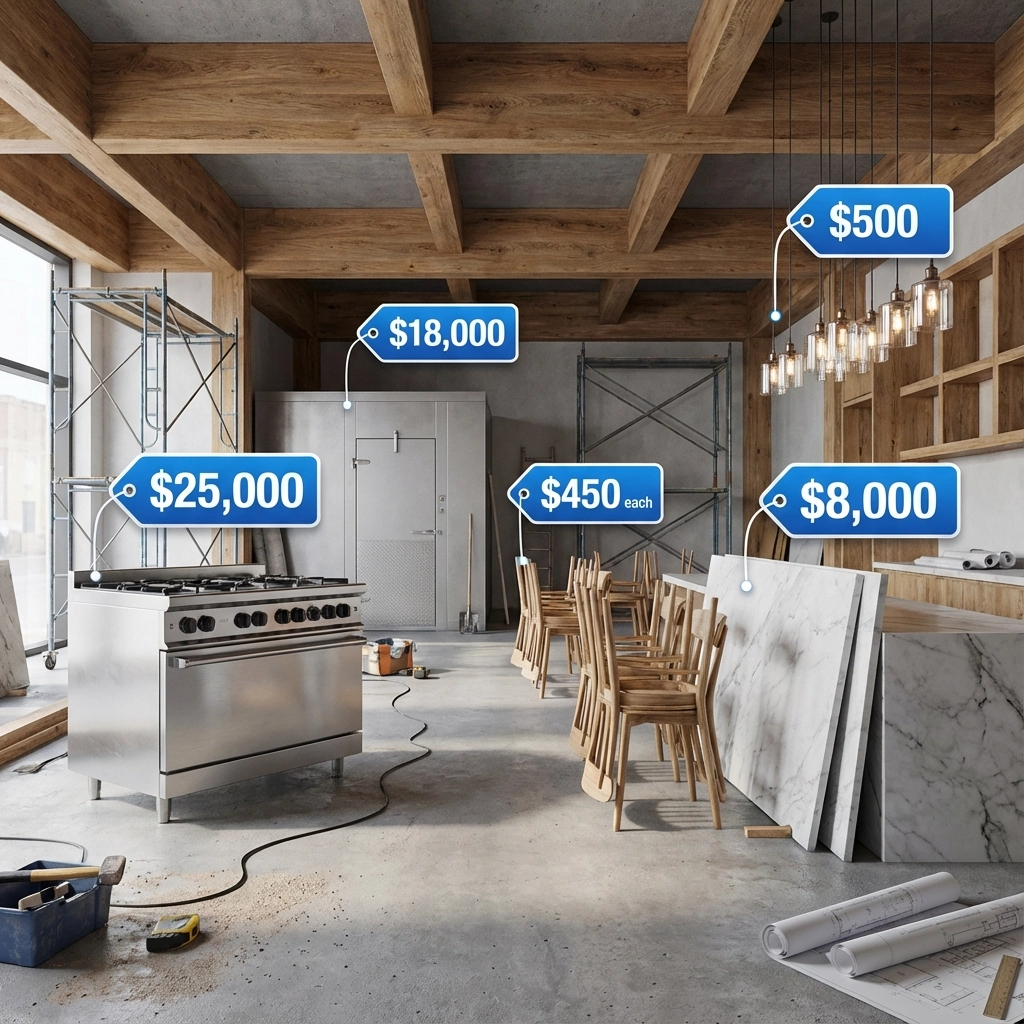
Most first-time owners underestimate startup costs by 30-50%. You need enough capital to cover not just opening costs, but 12-18 months of operating expenses. That means rent, payroll, utilities, and inventory while you’re still building your reputation.
Create a detailed financial plan that includes everything from equipment to marketing. Then add 20% for the unexpected costs that will definitely come up.
3. Guessing Instead of Researching Your Market
Your aunt’s lasagna recipe might be amazing, but that doesn’t mean your neighborhood wants another Italian restaurant. Too many owners fall in love with their concept without understanding their market.
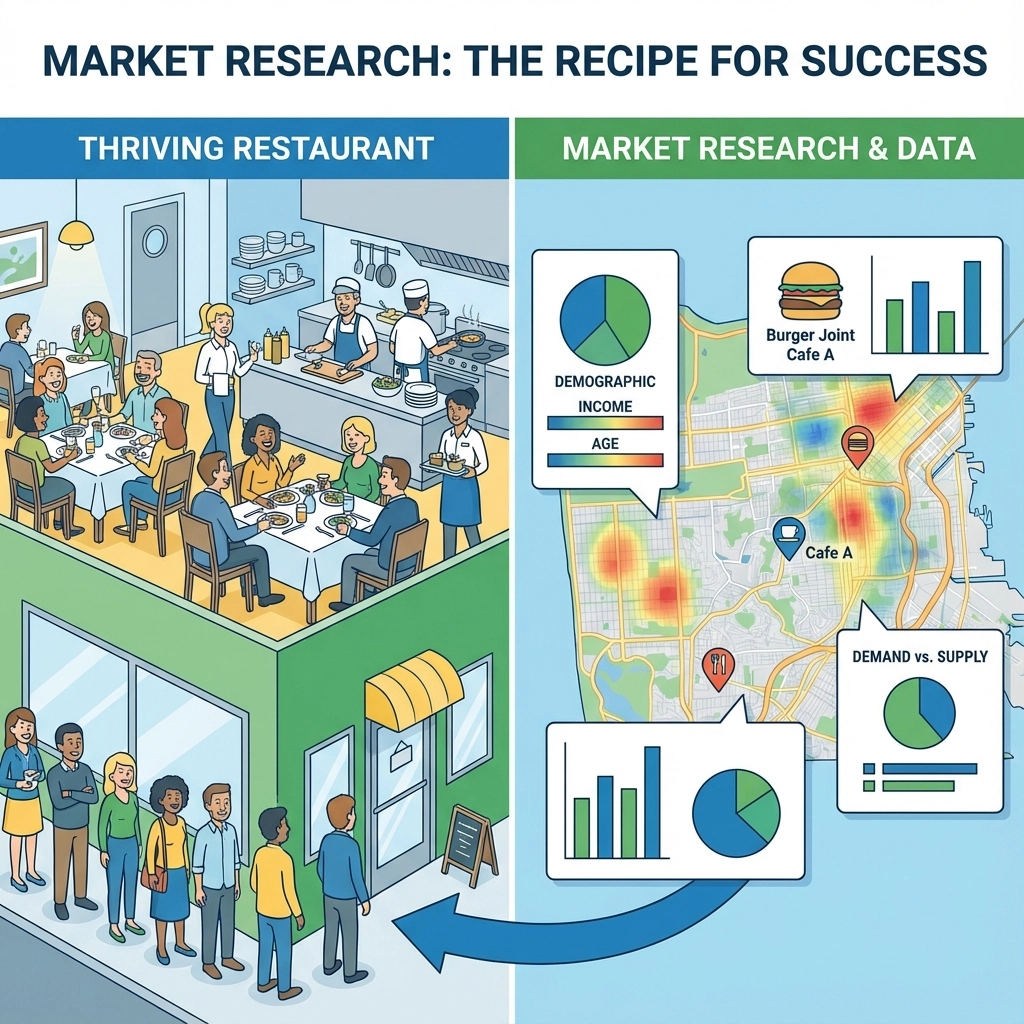 Who’s your competition? What are people actually eating in your area? What price points work? What gaps exist in the local dining scene? This isn’t just casual observation: you need real data.
Drive around your target area at different times. Check out your competition during peak hours. Look at online reviews. Talk to potential customers. The time you invest in research now saves you from expensive pivots later.
4. Choosing Location Based on Rent Alone
“Great deal on rent!” usually means terrible location. Location can make or break your restaurant, and cheap rent often comes with hidden costs: like zero foot traffic.
Consider visibility, parking, accessibility, neighborhood demographics, and local business patterns. A slightly higher rent in a prime location often generates significantly more revenue than a “bargain” spot where nobody can find you.
5. Winging It Without a Business Plan
“Business plans are for banks” is exactly the wrong attitude. Your business plan isn’t just for investors: it’s your roadmap for making smart decisions every single day.
A solid business plan forces you to think through your concept, target market, pricing strategy, and financial projections. It helps you spot potential problems before they become expensive mistakes. Most importantly, it keeps you focused when things get chaotic.
If you’re serious about starting a restaurant, treat it like the serious business investment it is.
6. Creating a Menu That Tries to Please Everyone
The “something for everyone” approach usually pleases no one. Overcomplicated menus confuse customers, complicate operations, and dilute your brand identity.
Focus on doing a few things exceptionally well rather than offering mediocre versions of everything. A tight menu improves kitchen efficiency, reduces waste, speeds service, and helps you build a clear brand identity.
Your menu should tell a story about who you are as a restaurant. Mixed cuisine styles and endless options tell customers you don’t know what you want to be.
7. Treating Technology as an Afterthought
Modern restaurants run on integrated systems. Point-of-sale, inventory management, online ordering, employee scheduling: these aren’t luxury add-ons anymore, they’re operational necessities.
Trying to retrofit technology into your operations later is expensive and disruptive. Plan your tech stack from the beginning, ensuring all systems work together seamlessly.
Good restaurant technology provides data that helps you make smarter decisions about everything from staffing to menu pricing.
8. Operating Without Clear Systems and Processes
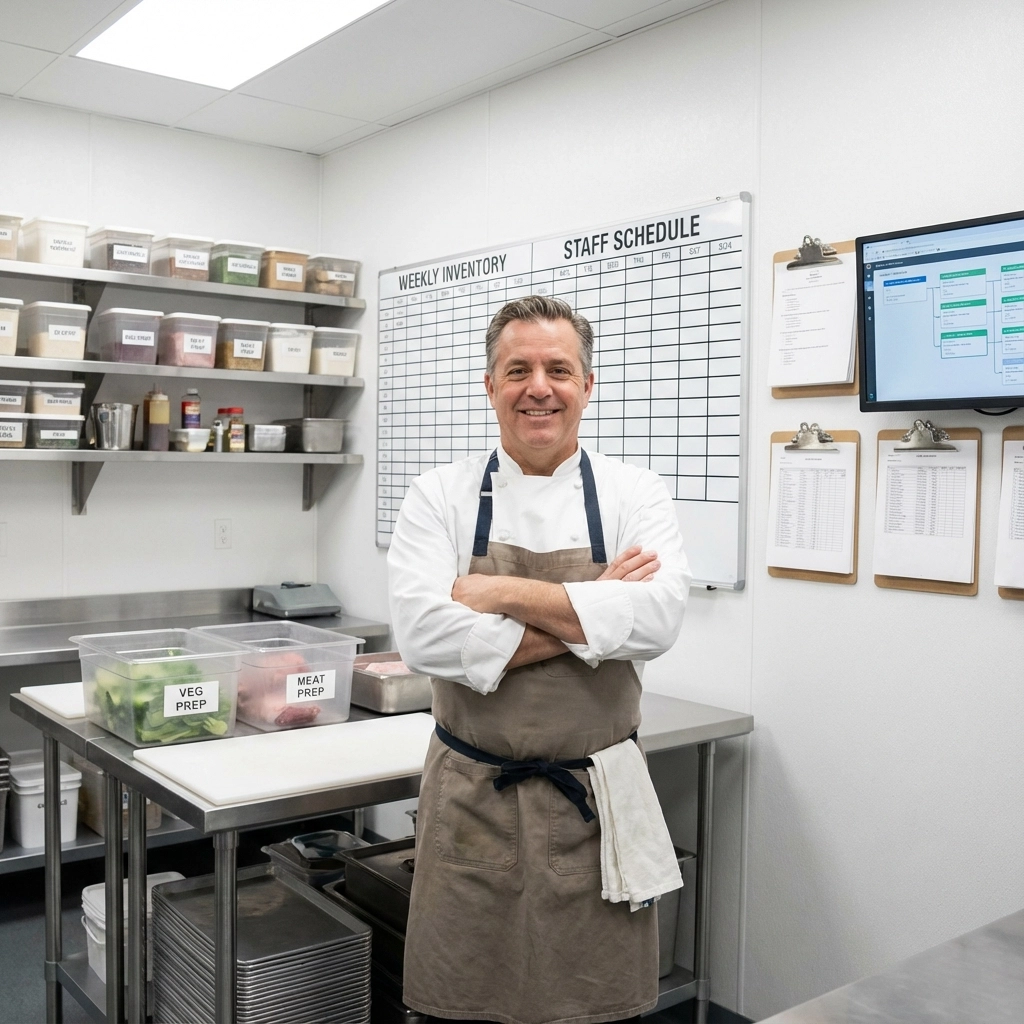
“We’ll figure out our processes once we’re busy” is backwards thinking. You need systems before you get busy, not after.
How will you handle inventory? What’s your food prep workflow? How do you train new employees? What are your cleaning procedures? These operational systems prevent chaos when things get hectic.
Well-designed systems reduce waste, improve consistency, and make training new staff much easier. They’re especially critical for restaurant startup consulting success.
9. Ignoring Your Online Reputation Before You Even Have One
Your online presence starts building before you open. Potential customers are already looking for information about your upcoming restaurant. What are they finding?
Set up your social media accounts, claim your Google Business listing, and start building anticipation. Monitor mentions of your restaurant and engage with the community. Online reputation management isn’t something you start after opening: it’s part of your pre-launch strategy.
10. Prioritizing Your Taste Over Customer Preferences
This might be the hardest truth: your restaurant isn’t about you, it’s about your customers. Your personal food preferences should inform your concept, but customer preferences should drive your menu decisions.
Just because you love super spicy food doesn’t mean your market does. Just because you think certain ingredients are overrated doesn’t mean you should avoid them. Successful restaurants give customers what they want, not what the owner thinks they should want.
The Real Cost of These Mistakes
Each of these mistakes can delay your opening, drain your capital, or worse: kill your concept entirely. The restaurant business is unforgiving, and there’s little room for learning expensive lessons through trial and error.
Smart restaurant owners recognize that professional guidance during the planning phase isn’t an expense: it’s insurance against making catastrophic mistakes. The cost of restaurant consulting is minimal compared to the cost of failure.
Moving Forward the Smart Way
Opening a restaurant successfully requires more than passion and hard work. It requires strategic planning, market understanding, and operational expertise. These ten mistakes are completely avoidable with proper planning and professional guidance.
If you’re serious about restaurant success, don’t try to navigate these challenges alone. The stakes are too high and the margin for error too small. Professional restaurant consulting helps you avoid these pitfalls and start with a solid foundation.
Your dream restaurant can become reality: but only if you build it on the right foundation from day one.
Get More Info
or fill out this form and we’ll be in touch soon!