
Restaurant Startup Consulting: 5 Steps to Launch Your Restaurant and Avoid the Biggest Pitfalls (Easy Guide for 2025)
Meta Description: Learn the 5 essential steps for launching a successful restaurant in 2025. Expert consulting guide covers concept development, business planning, operations setup, team building, and marketing strategies to avoid common startup pitfalls.
Starting a restaurant in 2025 presents both unprecedented opportunities and unique challenges. While the foodservice industry continues to evolve with changing consumer preferences, technological advances, and new business models, the fundamentals of successful restaurant launches remain rooted in strategic planning and expert guidance.
The statistics are sobering: approximately 60% of restaurants fail within the first year, and 80% close within five years. However, restaurants that work with professional consultants during their startup phase significantly increase their odds of long-term success. This comprehensive guide will walk you through the five critical steps to launch your restaurant while avoiding the costly mistakes that derail most new ventures.
Step 1: Define Your Concept and Conduct Thorough Market Research
Your restaurant concept serves as the foundation for every business decision you’ll make. In 2025, successful concepts go beyond simply serving good food: they create memorable experiences that resonate with specific target audiences. Your concept should clearly define your cuisine type, service style, price point, atmosphere, and unique value proposition.

Start by asking yourself fundamental questions: What type of dining experience do you want to create? Who is your ideal customer? What gap exists in your local market that your restaurant can fill? Your answers will shape everything from your menu design to your interior décor.
Market research validates your concept before you invest significant capital. Analyze your competition by visiting similar restaurants in your target area, studying their menus, pricing, and customer demographics. Use online tools to research local food trends, demographic data, and consumer spending patterns. This research should also include evaluating foot traffic patterns, parking availability, and accessibility in potential locations.
Professional restaurant consultants bring invaluable expertise to this phase, helping you identify market opportunities you might overlook. They provide detailed competitive analysis, demographic studies, and trend forecasting that can make the difference between a concept that thrives and one that struggles from day one. Understanding why to hire a restaurant consultant becomes clear when you consider the complexity of modern market dynamics.
Step 2: Create a Comprehensive Business Plan and Secure Funding
Your business plan transforms your restaurant concept into a roadable roadmap for success. This document should include detailed financial projections, marketing strategies, operational procedures, and growth plans. In 2025, investors and lenders expect sophisticated business plans that demonstrate thorough market understanding and realistic financial modeling.
Essential components of your business plan include an executive summary that captures your concept’s essence, detailed market analysis showing demand for your restaurant type, comprehensive financial projections covering at least three years, marketing and promotional strategies, staffing plans and organizational structure, and operational procedures and quality standards.

Financial planning requires particular attention to startup costs, which have increased significantly in recent years. Factor in equipment purchases, renovation costs, initial inventory, marketing expenses, working capital for the first six months, and contingency funds for unexpected expenses. Many new restaurant owners underestimate these costs, leading to cash flow problems within the first year.
Professional consultants assist with business plan development, ensuring your financial projections are realistic and your operational strategies are sound. They help you identify potential funding sources, from traditional bank loans to investor partnerships, and prepare you for the due diligence process. The expertise gained from opening a restaurant with professional guidance often proves invaluable during funding negotiations.
Step 3: Secure Your Location and Complete Legal Requirements
Location selection ranks among the most critical decisions you’ll make for your restaurant. The right location can drive success even with mediocre food, while the wrong location can doom an exceptional concept. Consider factors such as foot traffic patterns, visibility from main roads, parking availability, proximity to complementary businesses, and demographic alignment with your target customers.

Evaluate potential locations during different times of day and week to understand traffic patterns. Consider the long-term development plans for the area: will new construction improve or hurt your visibility? Negotiate lease terms carefully, ensuring you have adequate time to establish your business before rent increases kick in.
Legal requirements for restaurant startups have become increasingly complex. You’ll need multiple licenses and permits, including business licenses, food service licenses, liquor licenses (if applicable), health department permits, fire department approvals, signage permits, and music licensing agreements. Start the permitting process early, as some approvals can take several months to obtain.
Work with experienced professionals who understand local regulations and can guide you through the permitting maze efficiently. Many restaurant consultants maintain relationships with local officials and can expedite the approval process, saving you valuable time and potential delays in your opening timeline.
Step 4: Design Your Menu and Build Your Dream Team
Menu development in 2025 requires balancing creativity with profitability, dietary trends with classic appeal, and operational efficiency with culinary excellence. Your menu serves as both a marketing tool and an operational blueprint, influencing everything from kitchen design to staff training requirements.
Design your menu with food cost targets in mind: typically 28-35% of menu price for most items. Consider preparation time, equipment requirements, and skill level needed for each dish. Popular trends for 2025 include plant-based options, globally-inspired fusion cuisine, sustainable and locally-sourced ingredients, and customizable dining experiences.
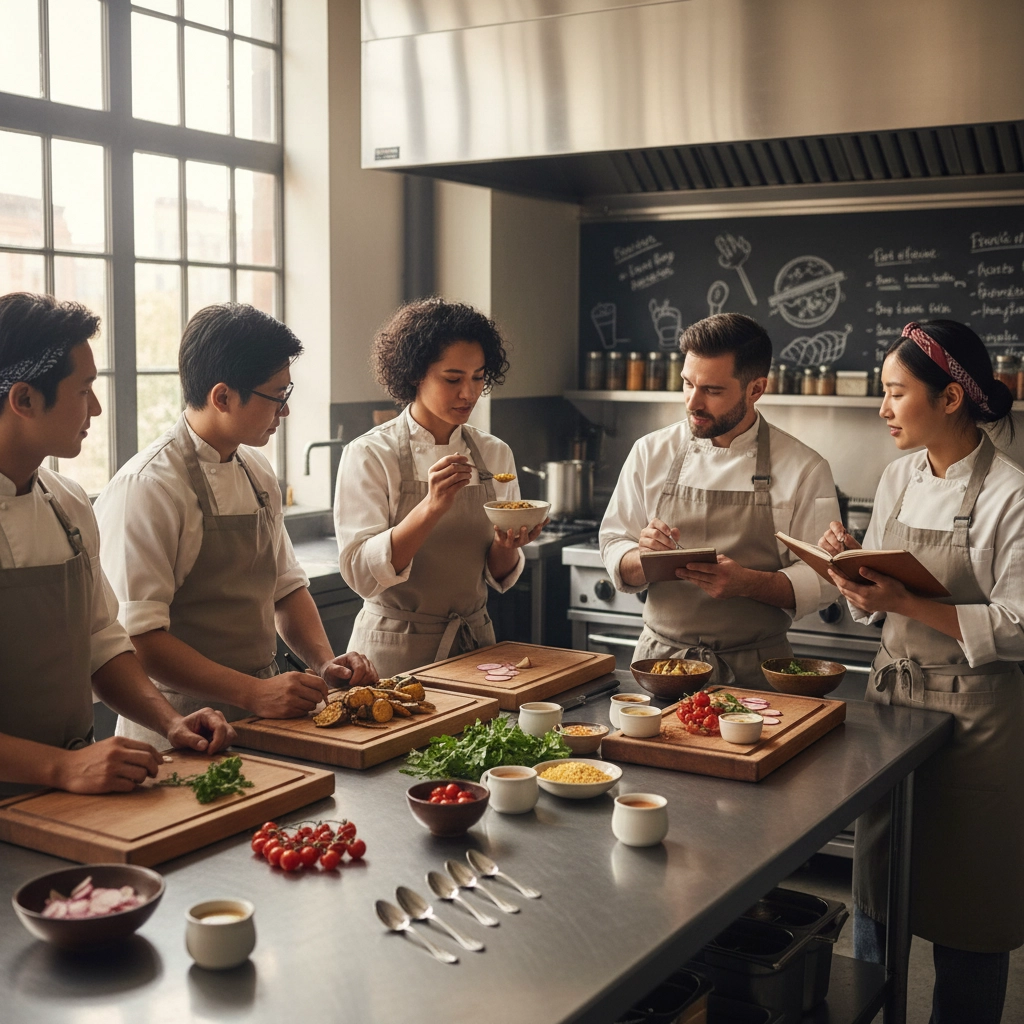
Building your team starts with defining clear job descriptions and competitive compensation packages. In today’s tight labor market, attracting and retaining quality staff requires more than competitive wages: employees seek opportunities for growth, positive work environments, and flexible scheduling when possible.
Focus on hiring for attitude and cultural fit, then train for skills. Develop comprehensive training programs covering food safety, customer service, POS systems, and your specific operational procedures. Create employee handbooks that clearly outline policies, procedures, and expectations.
Restaurant consultants can assist with menu engineering, helping you design offerings that maximize profitability while maintaining customer appeal. They also provide staff training programs and help establish operational procedures that ensure consistency and efficiency. Understanding why ambience and cleanliness are non-negotiable helps frame your training priorities.
Step 5: Execute Your Marketing Strategy and Plan Your Launch
Successful restaurant marketing in 2025 requires a multi-channel approach that builds anticipation before opening and maintains momentum afterward. Start building your brand presence at least three months before opening by creating social media accounts, documenting your build-out process, and engaging with local food communities.
Digital marketing forms the foundation of modern restaurant promotion. Develop a professional website optimized for mobile devices and local search. Establish active social media presence on platforms where your target customers spend time. Implement online ordering and reservation systems that integrate with your operations.
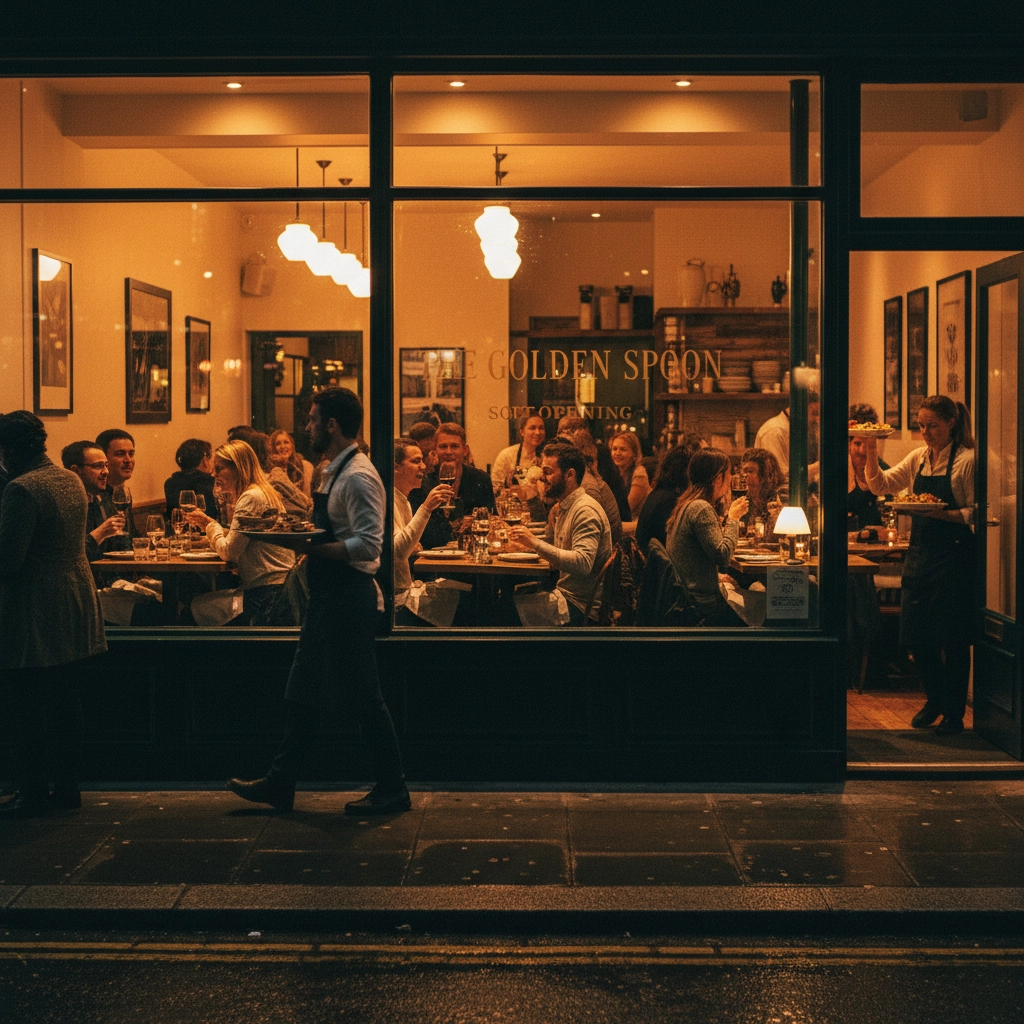
Traditional marketing still plays a role, particularly for community-focused establishments. Consider local newspaper coverage, radio sponsorships, community event participation, and partnerships with nearby businesses. Word-of-mouth marketing remains powerful: focus on creating exceptional experiences that customers naturally want to share.
Plan a soft opening phase to test your operations with limited customers before your grand opening. This allows your staff to practice procedures, identify operational issues, and refine service standards without the pressure of a full-scale launch. Use feedback from soft opening guests to make final adjustments before your official opening.
Restaurant consultants provide comprehensive marketing support, from brand development to promotional campaign management. They help you identify the most effective marketing channels for your target audience and budget, ensuring your marketing dollars generate maximum return on investment.
Avoiding Common Pitfalls Through Professional Guidance
The complexity of modern restaurant operations makes professional consulting not just beneficial but essential for most successful launches. Restaurant consultants bring industry expertise, operational experience, and objective perspectives that help you avoid costly mistakes and optimize your chances of success.
Common pitfalls that professional guidance helps you avoid include undercapitalization and poor financial planning, inefficient kitchen design and workflow, inadequate staff training and high turnover, poor inventory management and food waste, weak marketing and low customer acquisition, and operational inefficiencies that hurt profitability.
The investment in professional restaurant consulting typically pays for itself within the first year through improved operational efficiency, reduced startup costs, and faster path to profitability. Consultants help you learn from the mistakes of others rather than making expensive errors yourself.
Ready to Launch Your Restaurant Successfully?
Opening a restaurant in 2025 requires more than passion and good food: it demands strategic planning, operational expertise, and professional guidance to navigate an increasingly competitive landscape. Following these five steps while working with experienced restaurant consultants significantly improves your odds of creating a thriving, profitable establishment.
At Salt & Cayenne, we specialize in guiding restaurant entrepreneurs through every phase of the startup process. Our comprehensive consulting services help you avoid common pitfalls while building a strong foundation for long-term success. Visit our Tip Jar for more insights, or contact us today to discuss how we can help bring your restaurant vision to life.
Don’t let your restaurant become another casualty of poor planning and inexperience. Invest in professional guidance and give your restaurant the best possible chance to thrive in 2025 and beyond.
Get More Info
or fill out this form and we’ll be in touch soon!